Walk into any clinic on a busy Thursday and you will see a cross section of modern life. The executive who clenches her jaw through marathon calls. The new parent whose eyebrows have begun to telegraph fatigue. The fitness teacher with corded neck bands after a year of streaming classes from a phone propped on the counter. They are not looking for a new face. They want to look like themselves, only better rested, less tense, more at ease. That is the quiet promise of aesthetic medicine when practiced with restraint.
Botox can be a subtle instrument. It can also be a blunt one. The difference often comes down to planning, anatomy, and the humility to leave well enough alone. I have treated thousands of faces, corrected more than a few overdone results, and learned that the most powerful decision is sometimes not to inject at all. Beauty lives in balance, not in paralysis.
What Botox does, explained simply and scientifically
Botulinum toxin type A blocks acetylcholine release at the neuromuscular junction. In plain terms, it acts like a dimmer on the command that tells a muscle to contract. The effect begins in about 3 to 5 days for most people, builds to a peak around 2 weeks, then slowly recedes over 3 to 4 months. That window is an opportunity to soften motion-driven lines, release excessive pull from dominant muscles, and create visible facial harmony without changing the underlying bone or fat.
Clinical studies have mapped dose-response curves for common areas like the glabella, forehead, and crow’s feet. Typical starting doses fall in ranges, not absolutes: think 10 to 20 units for the glabella complex, 6 to 12 units for lateral canthi, and variable low dosing for the frontalis to preserve natural expression. The range matters because muscles differ wildly. A runner with strong frontalis activation needs a different plan than a person with thin skin and minimal brow movement. Evidence reinforces what practice teaches: personalized aesthetic injections outperform one-size-fits-all recipes.
Safety studies consistently show low rates of adverse events when injections follow sterile technique, correct depth, and an anatomy-driven map. Most side effects are transient: a tiny bruise, an ache like a mild headache, or temporary asymmetry that can be balanced with micro adjustments. Serious botox NC events are rare in trained hands and are linked to misplacement, dosing errors, or unregulated products. Quality control matters. Know what is in the vial, how it was reconstituted, and that it is stored at recommended temperatures.
The real reasons Botox is popular
Social media rarely tells the whole story. Yes, Botox popularity benefits from before-and-after photos and influencer chatter, but the durable interest comes from three simpler facts. First, it works, and it works predictably in the right candidates. Second, the downtime is minimal compared with surgical approaches. Third, it can boost confidence without broadcasting a procedure. I have patients who close a laptop after back-to-back video calls, raise an eyebrow, and see fatigue staring back. Two weeks after carefully placed injections, they tell me they feel more like themselves in the reflection. Not a new person, just the familiar version that aligns with how they feel.
There is a psychology to this. Cosmetic procedures and mental health intersect in complex ways. A thoughtful consultation screens for body dysmorphia and unrealistic expectations. When goals are concrete and modest, patients often report improved emotional wellbeing. They describe more freedom to focus on work or family because they are not distracted by a furrow that reads as irritation or a strain that looks like worry. That is not about perfection. It is about reducing a mismatch between inner state and outward signal.
The ethics of restraint
Aesthetic ethics live in the difference between can and should. I could treat every visible line, dampen every movement, and deliver a flattened, uniform face. I refuse because the cost to identity is too high. An expressive face is one of the deep joys of being human. The artistry and dosage must leave room for that.
Informed consent is more than a signature. It is transparency about risks, timelines, and what Botox cannot do. Muscle-based lines respond. Static etched lines and volume loss need different tools. A patient who expects Botox to lift the midface the way a deep filler or surgery would is set up for disappointment. My responsibility is to explain, show, and sometimes decline.
The ethical debate around normalization is real. Millennials and Gen Z have grown up with preventative rhetoric and viral “tox talk.” Some seek aging prevention early. Others push back against beauty standards altogether. The middle path recognizes autonomy while reaffirming that aging is not a disease to cure. Balancing Botox with aging means choosing areas that matter to you, spacing treatments to avoid dependency, and allowing some lines to remain as signatures of a life lived.
Face mapping and the anatomy that matters
Face mapping for Botox is less about grids and more about habits. Watch how a person speaks, laughs, and concentrates. Note the asymmetries. Most faces are not mirror images. A right brow might sit higher. One zygomaticus major might dominate a smile. A conservative botox strategy respects these quirks, rather than forcing symmetry where it does not belong.
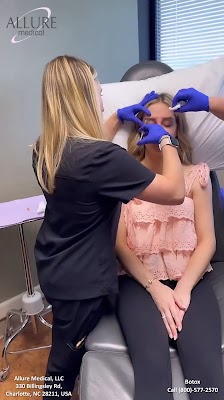
Muscle-based planning works like tuning a string instrument. The corrugators pull the brows together and down. The frontalis lifts the brows up. The orbicularis oculi squeezes the eyes and etches fan-like lines. Modulate the depressors and allow the elevators to win just enough, or the opposite, depending on the desired arc. Precision botox injections live at the junction of anatomy and restraint. Start low, reassess at two weeks, and use micro adjustments to fine tune.
Facial symmetry correction botox is possible when asymmetry is muscular rather than skeletal. If one brow descends because the orbicularis dominates on that side, minimal dosing that side can restore balance. Facial balance botox and facial harmony botox follow the same logic: temper a pull that disrupts the natural arc of features, rather than chasing every crease.
Phone neck, posture, and the modern trapezius
We spend hours with our heads forward, shoulders rounded, and chins tucked. The result is a triad that shows up in my clinic: a tense trapezius, vertical platysmal bands, and a tech-neck crease. Posture related neck botox has emerged as a topic, often under the catchier label of phone neck botox. Here is what is real. Botox can relax overactive platysmal bands, softening vertical cords and reducing the downward pull on the jawline. It can also reduce hypertrophic trapezius bulk, which some patients find aesthetically slimming in the neck-shoulder transition and physically relieving when tension drives pain.
It cannot fix poor posture. The best outcomes pair modest dosing with ergonomic changes. Raise the screen to eye level. Stretch the scalene and chest. Strengthen mid-back retractors. When these habits improve, the required dosage often drops by the next visit, a quiet sign that the intervention is serving function rather than encouraging dependence.
Myths, rumors, and what the evidence supports
A few themes recur in consultations that are worth clarifying. Botox does not travel throughout the body in meaningful amounts when injected properly. Diffusion is local and influenced by dose, dilution, and depth. Reconstitution myths abound: more saline does not necessarily mean weaker results if the total units delivered match the plan, but it can alter spread. Shelf life discussion is straightforward: when stored in a manufacturer-recommended way, botulinum toxin maintains potency within labeled windows. Sterile technique is not optional. Alcohol prep, single-use needles, and careful handling reduce infection risk that should be near zero.
Efficacy studies show response rates above 80 percent for glabellar lines at two weeks, with high patient satisfaction. Safety studies track low adverse event rates, most resolving without intervention. Not every individual responds the same. Rarely, the neuromuscular junction adapts, and the effect shortens or weakens, particularly with high-frequency, high-dose regimens. Rotating intervals, using minimal effective dosing, and spacing sessions help. Science backed botox practice stays close to the data while honoring individual variation.
Artistry vs dosage
Ask any experienced injector about artistry vs dosage and you will hear a version of this: dose is the language, artistry is the poetry. You need both. Anatomy driven botox anchors the plan. The creative part enters in where you choose to leave movement. Some foreheads look elegant with a gentle central lift and relaxed lateral motion. Others look odd that way and do better with a uniform softening. The same is true around the eyes. A smile that crinkles at the outer corners often reads as warm. Flatten it too much and the person seems less approachable.
Avoiding overdone botox is as much about what you decline to do as what you inject. I have had patients ask for “no motion at all” after seeing a friend’s super-smooth forehead. I show them video observations of their own expressions and ask which they are willing to lose. When they see how a raised brow helps them punctuate a story or convey surprise to a child, they rarely want to mute it fully.
Social media, identity, and expectations
Botox social media impact cuts both ways. It democratizes access to information but also amplifies botox myths social media. Rapid transformation reels ignore the slow arc of natural changes. Before-and-after grids do not show what happens at week 6 when the frontalis starts to recover and the balance shifts. Misinformation thrives in quick takes.
The antidote is patient education. A botox education guide does not need to be technical. It needs to be honest. Show likely outcomes, not best-case extremes. Discuss botox influence culture without moralizing. Address botox and self image carefully. When people feel that their identity will be honored, not reshaped, trust builds. Botox transparency and informed consent are not checkboxes. They are tools for shared decision making.
A minimal, sustainable approach
The most durable results come from a botox minimal approach. Use the least dose that achieves a visible, meaningful change. Extend intervals if the effect lingers. Let some areas rest for a cycle. Conservative botox strategy does not mean timid. It means sequential: begin with the lines or pulls that bother you most and add only if necessary.
Many of my long-term patients treat two to three areas per session and skip others. They maintain a botox routine maintenance rhythm that fits their life: every 4 to 5 months for high-motion areas, every 6 to 9 months for lower-motion zones. Botox lifestyle integration looks like scheduling around major events, avoiding heavy workouts the day of treatment, and planning touch-ups a couple of weeks before a key presentation or family photos.
What a thoughtful consultation sounds like
The first 10 minutes are not about needles. They are about goals and constraints. I ask what you notice in the mirror and what others misread. A teacher often says students think she is stern because of a glabellar scowl at rest. A software engineer describes a lopsided brow that shows up on video calls. I examine dynamically and at rest, palpate muscle thickness, and take standardized photos. Then we talk about options, including the choice not to treat certain areas.
Patient provider communication matters more than any machine or vial. Realistic outcome counseling sets the tone. Botox expectation management avoids disappointment later. We agree on a plan and on a follow-up to evaluate and adjust. Small changes, repeated with intention, beat big swings.
Technical standards that protect your result
Technical details may seem dry, but they determine quality. Botox treatment safety protocols begin with sterile technique and extend to product integrity. Authentic product from reputable supply channels, proper storage in refrigeration, and disciplined handling reduce variability. Dilution, or reconstitution, should be documented. There is no single correct dilution, but dosage accuracy is non negotiable. I calibrate doses in units, not volume, and mark injection sites on a face map so we can replicate or modify later.
Depth and angle matter. For example, a superficial injection into the frontalis avoids deeper diffusion that risks brow heaviness. The depressor anguli oris sits near the mental nerve, so landmarks and aspiration checks matter. Around the eyes, a conservative lateral placement avoids the zygomaticus complex, protecting a natural smile. Quality control botox practices include pre-treatment verification, lot tracking, and post-treatment notes that record both outcome and any side effects.
A note on trends, innovations, and the future
Botox trends come and go. The trapezius “Barbie” treatment for a slim neck, the lip flip, microdosing across broad areas known as “Baby Botox.” Some are repackaging of old techniques. Others represent genuine refinements like patterned micro droplet placement to soften skin texture. Modern botox techniques emphasize distribution over brute force. Multiple small aliquots often yield smoother, more controllable results than a few large wheals.
Botox innovations will continue, but the core principle will not change. Anatomy first, intent second, dose third. The future of botox includes longer-acting toxins and novel formulations that adjust onset and spread. Botulinum alternatives are in development, and combination protocols with energy-based devices show promise for texture and pore refinement. Good studies, not hype, should guide adoption. Keep an eye on botox research that measures outcomes beyond two weeks: real-world persistence, variability by muscle fiber type, and impact of lifestyle factors like exercise intensity.
For skeptics and the cautious
If you are wary, you have good company. Skepticism is healthy. Botox for skeptics often begins with a single area at a low dose. We review at two weeks. If you hate it, we do not repeat. If you like it with one change, we make the change. Concerns about “looking frozen” are valid and preventable. The most common cause of overdone results is overcorrection of the frontalis or overzealous glabellar dosing botox clinics in Charlotte without balancing the elevators. Subtle facial enhancement botox works precisely because it avoids those pitfalls.
There are real reasons not to treat. Pregnancy and breastfeeding are exclusion periods in my practice. Active infections at the injection site are a no. If a patient is chasing a moving target driven by anxiety rather than a defined feature, I will pause and recommend a different path, sometimes including a conversation with a mental health professional. Botox empowerment discussion should never mean outsourcing self-worth to a syringe.
Maintenance, long term thinking, and when to stop
Botox long term care is about cycles, not permanence. If your budget or schedule changes, nothing collapses. The face returns to baseline. Some patients report that repeated softening seems to slow deepening of motion lines, likely because the skin experiences less folding stress over time. It is not a fountain of youth. It is skincare for your muscles.
Fine tuning botox results happens at follow-up. A millimeter of brow position can be shifted with a couple of units. Micro adjustments preserve natural expression while dialing down a distraction. Over years, aging will change the canvas. Eyelids may hood, fat pads descend, skin thins. The plan must evolve, and sometimes the right answer is to skip Botox in favor of skincare, lasers, or a surgical consult. Balance includes knowing when a tool no longer fits the job.
Two brief checklists worth keeping
Botox consultation checklist:
- Your top two concerns in your own words A short video of your expressions under natural light Medical history, including medications and migraines Past injectable history with dates and doses if available Upcoming events that affect timing
Botox aftercare checklist:
- No rubbing or massaging treated areas for 4 to 6 hours Keep workouts light the day of treatment Skip saunas and facials for 24 hours Sleep on your back the first night if possible Book a two week review to assess and adjust
Stories that stay with me
A trial lawyer in her forties came in with a complaint that jurors read her as angry before she spoke. Her glabellar complex was powerful, a default tether in high-concentration settings. We softened that pull, left her lateral frontalis active, and preserved lateral eye crinkles that felt like her. Two weeks later she said something I never forgot: My face now says what my voice is saying. That is the heart of natural expression botox.
Another patient, a Pilates instructor with neck tension and visible platysmal bands, had been sold on phone neck botox as a cure. We treated her bands lightly, taught stretches, and adjusted her filming setup to eye level. Three months later, she needed half the dose and reported fewer headaches. Aesthetic medicine botox can harmonize with lifestyle when it is not used as a shortcut.
Misinformation to watch for before you book
Be wary of deals that price by area without discussing muscle strength or goals. Faces are not menus. Question clinics that cannot name their product source or explain their botox storage handling. Avoid providers who promise permanent results or guarantee exact durations. Duration varies with metabolism, activity levels, and dose. If a provider dismisses your questions about botox safety studies or botox efficacy studies as irrelevant, find another.
Social acceptance is broadening. Older patients often arrive with daughters or sons who came first. Younger patients bring mothers who are curious but wary. Botox generational differences are softening into a more nuanced conversation about choice. Cultural perceptions still differ by community. In some circles, openness is celebrated. In others, discretion is the norm. Neither is wrong. Your decision is yours.
The quiet craft of doing less
I keep a line in my notes for every patient called the restraint decision. It captures what we chose not to do and why. Over time, that note often matters more than the units delivered. The face ages and adapts. The plan that honors identity, allows movement, and uses the smallest effective dose will keep serving you long after a trend passes.
Botox is not a personality transplant. It is an instrument you can learn to play with a clinician you trust. The goal is facial harmony, not uniformity. Precision over volume. Balance over bravado. Do less, observe more, and let your expressions speak with clarity.