Could a few well-placed Botox units open your eyes without surgery? Yes, in many cases, precise botox cosmetic injections around the brows and outer eye can create a subtle lift, reduce heaviness, and make hooded lids look brighter and less tired, all while keeping movement natural.
What “hooded eyes” really means, and why it matters
Hooded eyes describe an upper lid where the skin drapes over the crease, sometimes touching the lash line. Some people are born with this anatomy. Others develop hooding over time as brows descend, forehead muscles fatigue, and upper lid skin stretches. Patients often tell me they’re “constantly lifting their brows to see” by midday, or they feel their makeup smudges because the upper lid touches the lash line. There is a cosmetic component, but there is also a comfort component. When the brow depressor muscles overwork, the eyes look smaller and tired. When frontalis overworks to compensate, etched horizontal forehead wrinkles follow.
Surgery can remove excess skin or lift brow position, but not everyone wants a scalpel solution. A carefully executed botox brow lift can raise the tail of the brow by 1 to 3 millimeters, which is more than it sounds on the face. The right plan brings the brow into a more open, youthful shape and reduces the sense of heaviness without changing your facial character.
How Botox helps hooded eyes
Botox cosmetic treatment works by relaxing specific muscles. In the upper face, two muscle groups compete: elevators that lift the brow (frontalis) and depressors that pull it down (corrugator supercilii, procerus, depressor supercilii, and parts of orbicularis oculi). By softening the depressors and preserving elevator function, you can get a gentle lift and smooth glabellar lines between the eyebrows. This balance approach also reduces 11 lines, eases a furrowed expression, and improves outer eye creases with botox crows feet treatment.
I often explain it this way during a consultation: your eyebrow position is a tug-of-war. If you relax the “down” team more than the “up” team, the brow floats higher at rest. When dosed correctly, the effect is elegant, not frozen. The upside extends past hooding. Patients report looking more awake, less stressed, and better on video calls. Makeup sits cleaner on a visible lid. Cameras pick up the change because even a small brow elevation enlarges the apparent eye aperture.
Who is a good candidate
Good candidates for botox for hooded eyes have mild to moderate hooding where brow depressor activity contributes to the heaviness. If your brow tail slopes downward, if the space between brow and lash line has narrowed with age, or if you notice you raise your forehead to see better, a non surgical botox approach can help. If you have significant upper eyelid skin redundancy or a low-set, heavy brow from bone structure, you may need surgical options like blepharoplasty or a brow lift. Sometimes the best plan is a staged approach: a conservative botox brow lift now, paired with skincare or energy-based tightening, then reassess. It is also important to rule out true ptosis, where the levator muscle of the eyelid is weak. Botox does not find botox services nearby fix levator dysfunction and can make a true ptosis more apparent if placed incorrectly.
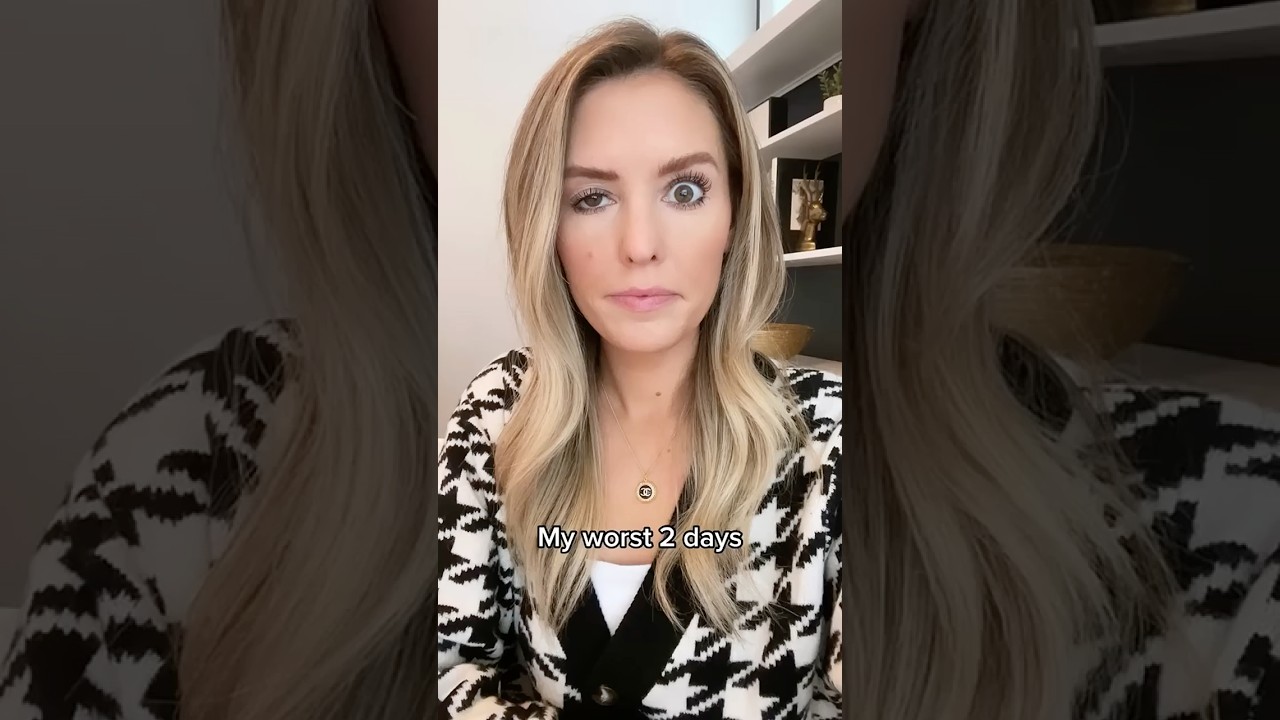
Those Charlotte botox with strong corrugators and a habit of frowning often see the biggest benefit. If you suffer headaches from constant brow lifting, medical botox for migraine relief may overlap with a cosmetic plan and deliver dual benefits. Patients with very low-set brows or extremely heavy lids should expect smaller improvements. Set your expectations around millimeters, not centimeters. That said, on the face, millimeters matter.
Mapping the injections for a brow lift and eye opening
A standard botox cosmetic procedure for hooded eyes focuses on three zones: the glabella, the outer orbicularis near the Crow’s feet, and the upper forehead line just above the brow tail. The aim is to relax the muscles that pull the brow down, then gently treat the upper forehead in a way that preserves lifting power.
In the glabella, I treat the corrugators and procerus to soften the inward pull between the eyebrows. This improves botox glabellar lines, the 11s, and frown lines, and it frees the inner brow to rest higher. On the sides, small aliquots into the lateral orbicularis oculi weaken the downward pull on the brow tail, which creates a subtle lateral elevation. If needed, a feather-light line of units across the upper third of the forehead addresses botox forehead wrinkles without dropping the brow. Placement is critical. Too low or too much in the central frontalis can cause brow descent and worsen hooding, which is the opposite of what we want.
A typical range for a brow-opening plan might be 10 to 20 units distributed through the glabella, 6 to 12 units total at the Crow’s feet, and 4 to 10 units in the upper forehead depending on muscle size and gender. These are ranges, not prescriptions. I map doses to the individual. A patient with a strong frontalis and deeply etched 11 lines needs a different balance than a patient with very thin skin and minimal movement. Your injector should test your brow movement in multiple expressions, mark while you animate, and calibrate asymmetries to avoid uneven eyebrows.
What to expect on treatment day
A botox cosmetic procedure is quick, typically 10 to 20 minutes. After we review goals and risks, the area is cleansed, and I apply a chill roller or brief topical numbing for comfort. Most patients describe the injections as tiny pinches. I prefer a fine insulin needle for precision along the brow arc. You can drive yourself home and return to most activities right away.
I advise patients to stay upright for four hours, skip strenuous exercise that day, and avoid rubbing the injection areas. Makeup can go on later the same day with a clean brush. Bruising is uncommon around the brow when veins are avoided, but it can happen in 5 to 10 percent of cases. Plan around major events when possible. If you need a holiday botox prep before photos, build in a minimum of two weeks to account for onset and any touch ups.
When results appear and how long they last
Botox for eyes starts working in 3 to 5 days, with a peak at 10 to 14 days. At that point the brow looks more open, the lid feels lighter, and the outer eye wrinkles soften. For a first-timer, I schedule a botox review session at two weeks to check symmetry and make micro-adjustments. Tiny additions of 1 to 2 units per site can refine the shape. Over the next month, the effect settles into a natural look.
Duration varies by metabolism, muscle mass, and dose. Most people enjoy botox 3 month results that still look fresh, with gradual fade by month four. Many plan botox every 4 months for maintenance. Some light responders prefer botox every 6 months, especially if they prioritize movement and do not mind a softer lift. If we are treating strong glabellar lines and outer eyes together, a yearly plan might look like three sessions per year. I counsel patients that consistency brings smoother, more predictable outcomes because you are not letting the muscles retrain back to baseline between sessions.
Precision matters: how to avoid a droopy lid
The eye area is unforgiving of sloppy technique. The most feared complication is eyelid ptosis, where the upper lid droops. This is rare when injections stay away from risk zones. Most ptosis events happen when product diffuses through a weak septum near the inner brow, reaching the levator complex. Good mapping and conservative dosing near the mid-pupil line prevent that. Another risk is brow ptosis from over-relaxing the frontalis, which can worsen hooding. Your injector should be stingy across the lower forehead in anyone seeking a lift.
Asymmetry is common out of the gate because most faces are asymmetric. I factor in differences in brow height and muscle bulk. If one brow sits lower at baseline, I treat the heavier depressor side a bit more to balance. Follow-up at two weeks is the right moment to fine tune. Most asymmetry can be corrected with a couple of extra units.
Beyond hooded lids: complementary upper face benefits
Opening the eye often pairs with smoothing frown lines and relaxing tense expressions. Treating the glabella softens the scowl that can read as worried or angry. Treating the Crow’s feet improves static creases and helps botox for tired eyes by reducing the scrunch that amplifies hooding when you smile. Patients frequently add botox for expression lines across the forehead to even the canvas without flattening it. With the right spread, you maintain lift and still gain refinement.
If you carry tension headaches across the brow and temples, therapeutic botox patterns can overlap with cosmetic ones. Some patients report fewer headaches after repeated sessions, even if they do not qualify for full medical botox migraine protocols. The key is a customized botox treatment rather than a one-size map.
Where Botox falls short and when to combine treatments
Botox is not a skin shrinker. If your hooding comes mainly from excess upper lid skin, muscle relaxation alone cannot remove skin. In those cases, I discuss nonsurgical skin tightening like radiofrequency microneedling for modest improvement, or a surgical blepharoplasty if the goal is a crisp, long-lasting lid crease. Brow position also depends on bone and fat pads. If the brow sits far below the orbital rim, a surgical brow lift may be the right tool.
That said, many patients land in the middle. For them, a botox brow lift paired with skincare to improve the lid’s crepe texture can be excellent. Prescription retinoids or gentle retinol at night, a lightweight peptide eye cream, and diligent sun protection maintain skin quality over the hood. If volume loss at the outer brow is present, a tiny amount of hyaluronic acid filler above the lateral brow can support shape. In select cases, microbotox or mesobotox around the periorbital skin reduces fine crinkles without affecting the deeper lifting muscles. The art lies in layering treatments without compromising function.
Dose strategy and natural movement
Experienced injectors tailor dose, depth, and dilution to your goals. More units do not equal better results for hooded eyes. The goal is balance. I prefer slightly higher dosing in the glabella compared to the forehead in those seeking lift, keeping the lower forehead light to preserve brow elevation. For Crow’s feet, I place the product superficially in three to four small points radiating from the outer canthus, leaving a safe buffer from the orbital rim to reduce diffusion risk.
Men often require higher units due to stronger muscle mass, but the same principles apply. Those with thin skin and smaller muscles often look best with lower, more frequent dosing. If you want a “botox glow treatment” effect on texture without much motion change, micro-injections can be placed into the superficial dermis, but this is separate from a true lift. Your injector should explain the trade-offs so you know what each technique does.
Addressing the under-eye area carefully
“Can I get botox under eyes?” comes up often with hooding because patients see creasing and puffiness below the eye. Direct botox under the eye can be appropriate in tiny doses for fine crepe lines in selected patients with strong orbicularis muscle bunching. The goal is feather-light treatment. Over-relaxing this muscle weakens support and can worsen bags. Most people get better mileage from skincare, gentle lasers, or a small amount of filler to the tear trough when the bone is visible and the anatomy allows. For tired eyes, sometimes enhancing the cheek transition and lifting the brow gives more payoff than chasing every wrinkle.
What real-world results look like
Patients who respond well to botox for hooded eyes describe a lighter lid within one week and a polished, rested look by week two. On selfies, the eye aperture looks larger and the brow tail a touch higher. Friends may comment that you look well rested or ask if you changed your skincare. In my practice, the average lateral brow elevation is roughly 1 to 2 millimeters in women and a bit less in men, enough to open the lid while keeping expression. Those with strong frown lines see a smoother glabella and a softer resting face. When combined with wrinkle relaxing injections at the Crow’s feet, the smile lines look more refined but still move.
Expect gradual fade. By month three, the lift remains pleasant. By month four, movement returns, and hooding creeps back. If you enjoy the effect, plan your botox maintenance plan accordingly. After several cycles, many patients notice the muscles re-train to a calmer baseline, so results can appear smoother and last slightly longer.
Costs, timing, and planning around life
Pricing varies by region and practice. Some clinics charge per area, others per unit. Treating glabella, Crow’s feet, and a conservative upper forehead might involve 20 to 40 units total, sometimes more for larger muscles. If you are preparing for a key event, treat at least two weeks beforehand to allow full onset and tweaks. If you have a heavy speaking schedule, consider your comfort with reduced scowling and slightly softer expressions. Actors, public speakers, and teachers often prefer conservative dosing that preserves more movement. Office workers who spend long hours on screens sometimes favor stronger glabella treatment to ease frown fatigue.
Seasonal botox specials can make maintenance easier on the budget, but do not chase a deal at the cost of expertise. The injector’s understanding of brow dynamics matters more than a few dollars saved. It is your face.
Safety, side effects, and recovery
Side effects are usually mild and temporary: small red bumps for 15 to 30 minutes, light tenderness, or a faint headache. Tiny bruises can last 2 to 5 days. Makeup covers them easily. Avoid heavy massage, saunas, or hot yoga for 24 hours. Give the product time to bind to its receptors undisturbed. If you are on blood thinners or supplements like fish oil, garlic, or ginkgo, you may bruise more easily. Discuss your medications at the consultation.
True complications are rare but important to understand. Eyelid ptosis can last 2 to 6 weeks if it occurs, then resolves as the effect fades. Prescription eyedrops such as apraclonidine, if appropriate, can stimulate Müller's muscle to lift the lid by a millimeter or two temporarily. Allergic reactions are extremely rare with modern formulations. If you have a history of neuromuscular disorders, pregnancy, or are breastfeeding, discuss whether to defer treatment.
Customization and asymmetry management
Most faces are cousins, not twins. One brow usually sits higher, or one side’s Crow’s feet crease deeper. During a personalized botox plan, I adjust doses to target these differences. For example, a slightly lower right brow may benefit from a touch more relaxation of the right lateral orbicularis, while keeping the left side lighter. If you tend to overcompensate with forehead lifting, I keep the central forehead minimally dosed to maintain elevation, then touch up the upper lateral forehead for texture only. Over several sessions, we track photos and refine. The best outcomes come from iterative adjustments, not a single fixed template.
How Botox integrates with broader rejuvenation
Hooded eyes do not exist in isolation. Facial balance matters. If a heavy jawline or tense masseter muscles dominate, botox jaw reduction can slim the lower face, making the upper face appear more open. If vertical neck bands pull the face downward, botox for neck bands can soften them. Smoothing lipstick lines or smoker lines around the mouth with small units can freshen the center face so the eye lift feels harmonious. These are optional layers, not necessities, but they show how botox for facial rejuvenation can shape a cohesive result.
Patients sometimes pair botox and dermal fillers in a botox and filler combo to address both motion lines and volume loss. Placing subtle filler at the temple can support the tail of the brow indirectly by improving the frame. Always sequence treatments thoughtfully: neuromodulator first to set muscle tone, filler second to build structure, then energy devices or skincare to refine texture. Good orchestration avoids a patchwork look.
My practical checklist for a successful lift
- Choose an injector who can explain the elevator vs depressor balance and show before and afters of brow lifts. Ask for a conservative first session with a botox follow up at two weeks for tweaks. Schedule treatment 2 to 3 weeks before events, not days before. Communicate your expression priorities, such as keeping some forehead movement. Plan maintenance at 3 to 4 month intervals for stable results.
Common myths I hear in the chair
- Myth: Botox always drops the brows. Reality: Over-treating the frontalis can drop the brows, but a balanced plan that prioritizes depressors lifts them. Myth: Botox under eyes fixes bags. Reality: Under-eye bags are largely fat and skin laxity. Tiny doses can help lines in select cases, but bags usually need other tools. Myth: Once you start, you have to continue forever. Reality: If you stop, muscles gradually return to baseline. You do not get worse, you just lose the benefit. Myth: All “units” are the same. Reality: Technique, dilution, and placement vary by brand and injector. Look at outcomes, not unit counts alone.
How results feel, not just how they look
Patients often describe the sensation after a week as an “exhale” across the eyes, as if their forehead stops working overtime. Screens feel less fatiguing. Some notice fewer tension habits like squinting. This lived-in comfort can matter as much as the mirror result. A small lift that reduces daily effort delivers quiet value, and over months it helps prevent deepening lines from repetitive strain.
The right expectations set you up for satisfaction
Think of botox for anti aging around the eyes as part art, part physics. It gives you a nudge in the right direction. If your lid is heavily hooded by surplus skin, no amount of neuromodulator will create a visible crease. If your hooding is mostly from muscle dynamics and mild laxity, the change can be striking in photos and in person. Aim for refreshed, not remodelled. When we chase millimeters deliberately, we land exactly where you want to be: brighter eyes, natural expressions, and a face that still looks like you.
Putting it all together
Botox for hooded eyes works by easing the down-pull on the brow while preserving the lift you already have. A targeted botox brow lift improves the lid fold, softens frown lines, and tidies Crow’s feet. Results develop over one to two weeks, last around three to four months, and can be tuned at a botox touch up visit. Complications are uncommon with skilled technique and thoughtful dosing. If you want a surgical-level change, you will need surgical tools. If you want a lighter, easier gaze with minimal downtime, botox cosmetic treatment offers a precise, reversible step that fits into a busy schedule.
When you are ready, bring clear photos of your ideal brow shape and how your hooding looks in the morning and evening. Show how you do your makeup. Tell your injector which expressions you most want to keep. With that context, a customized botox treatment can be calibrated to your anatomy and taste. The best sign of success is not a specific unit count or a template map. It is the quiet moment, two weeks later, when you raise your eyes in the mirror and see space on your lid again.